Lighting and Optical Signaling (Test 43)
10 questions • Permit B (English)
Lighting and Optical Signaling
1
How many end-outline marker lights (clearance lamps) must a vehicle carry if required due to its dimensions, and where must they be situated?
Lighting and Optical Signaling
2
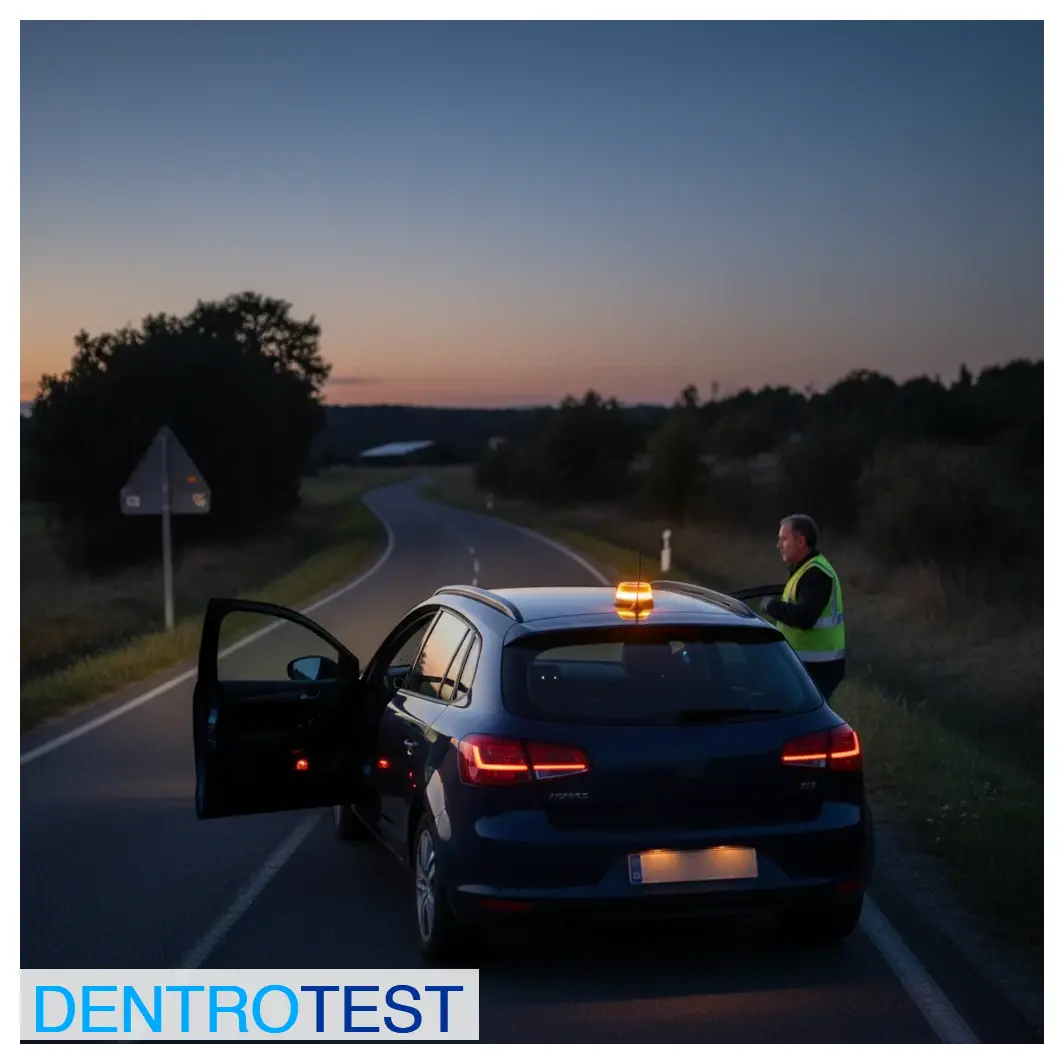
If you are driving on a motorway and need to slow down significantly or stop due to traffic conditions, how should you warn other drivers?

Lighting and Optical Signaling
3
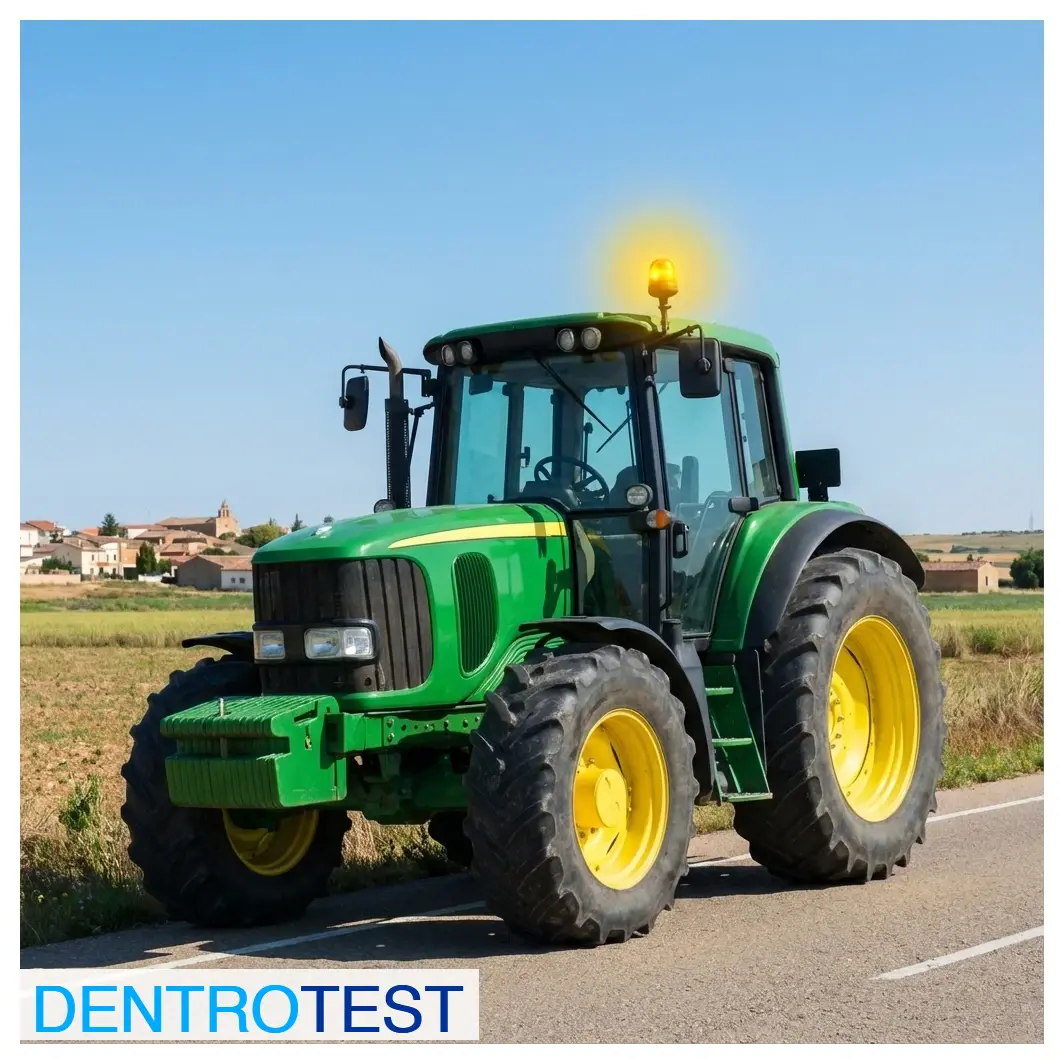
When must special vehicles keep the V-2 warning light switched on while driving on public roads?
Lighting and Optical Signaling
4
What does the presence of the V-2 warning light (auto yellow rotary light) indicate on a vehicle?
Lighting and Optical Signaling
5
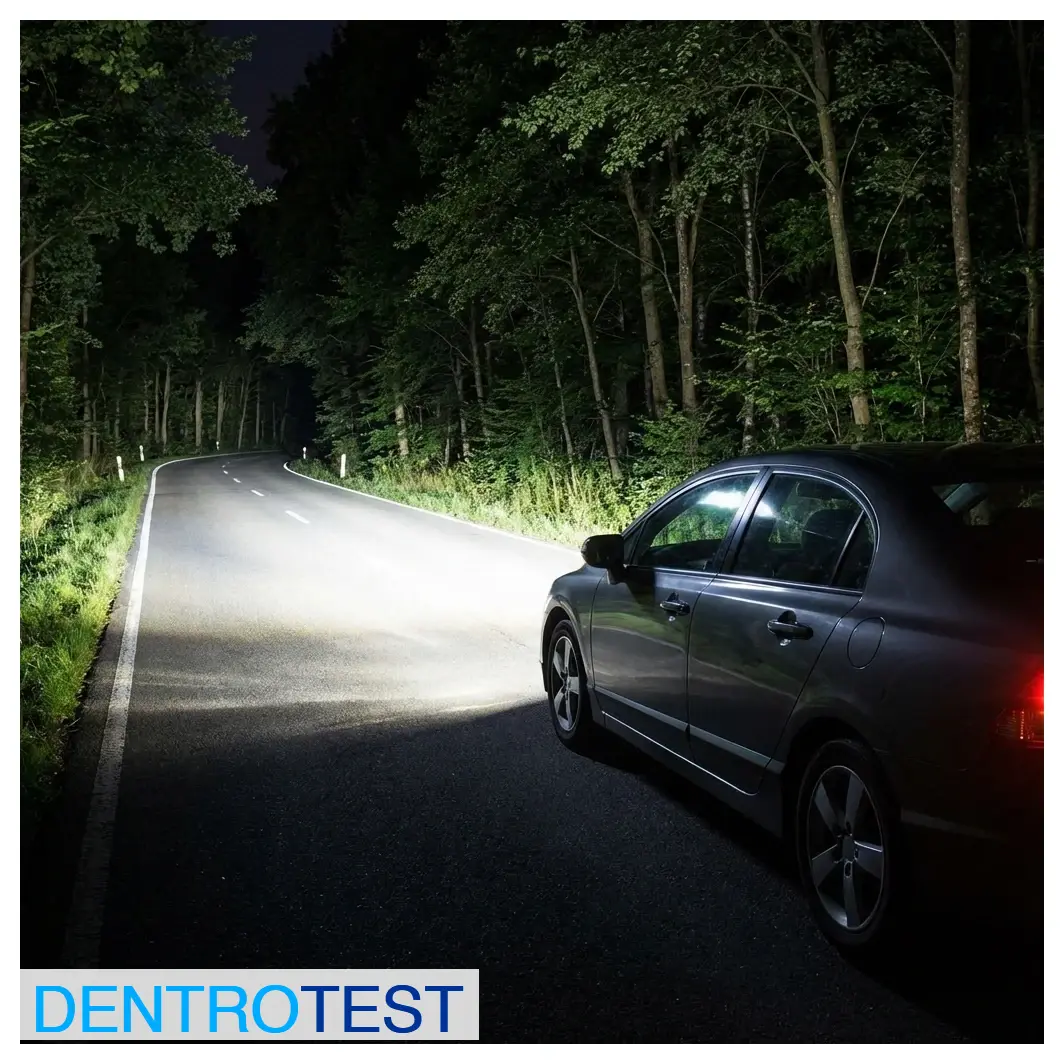
If you are driving at night with high beams (main beams) on and notice pedestrians on the road who might be dazzled, how should you act?

Lighting and Optical Signaling
6
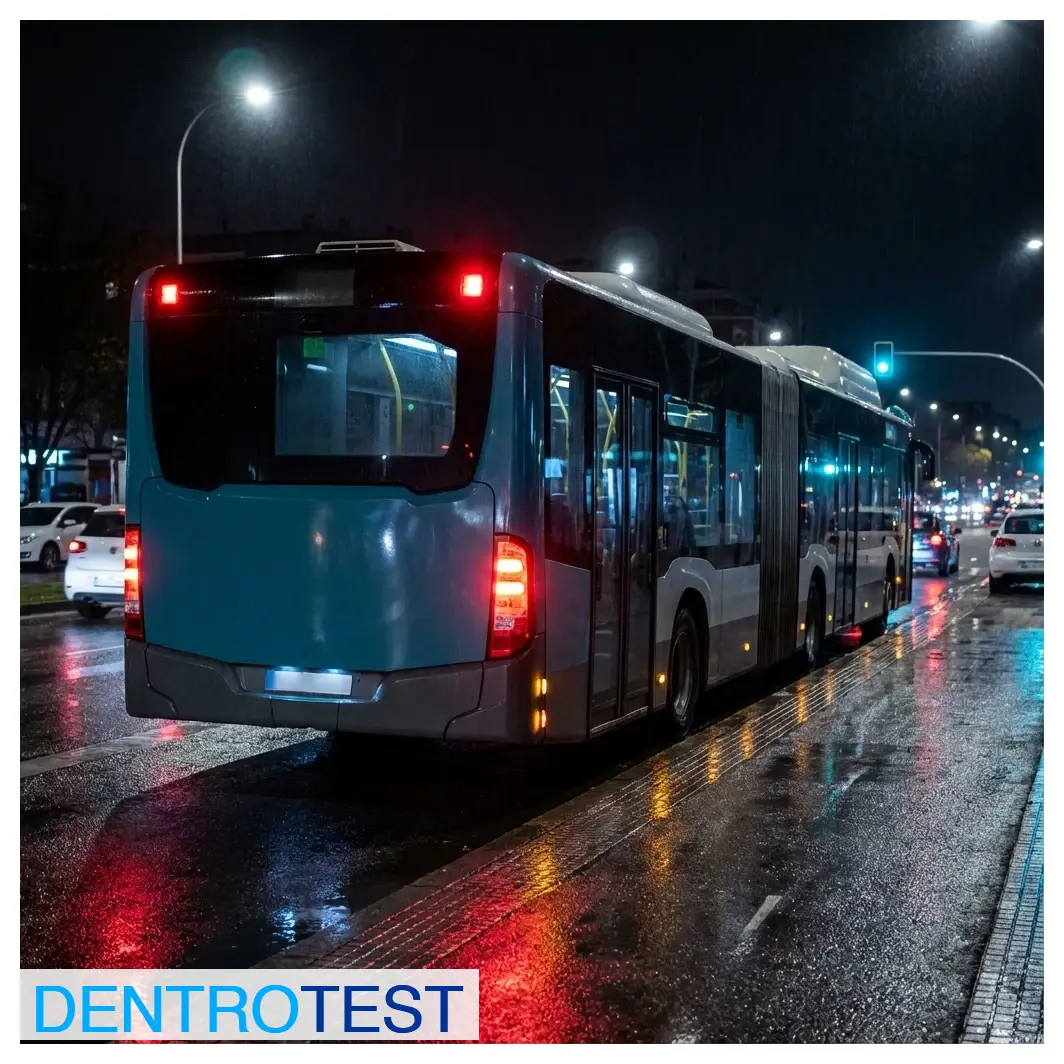
In which specific situations is it mandatory to have the rear fog light switched on?
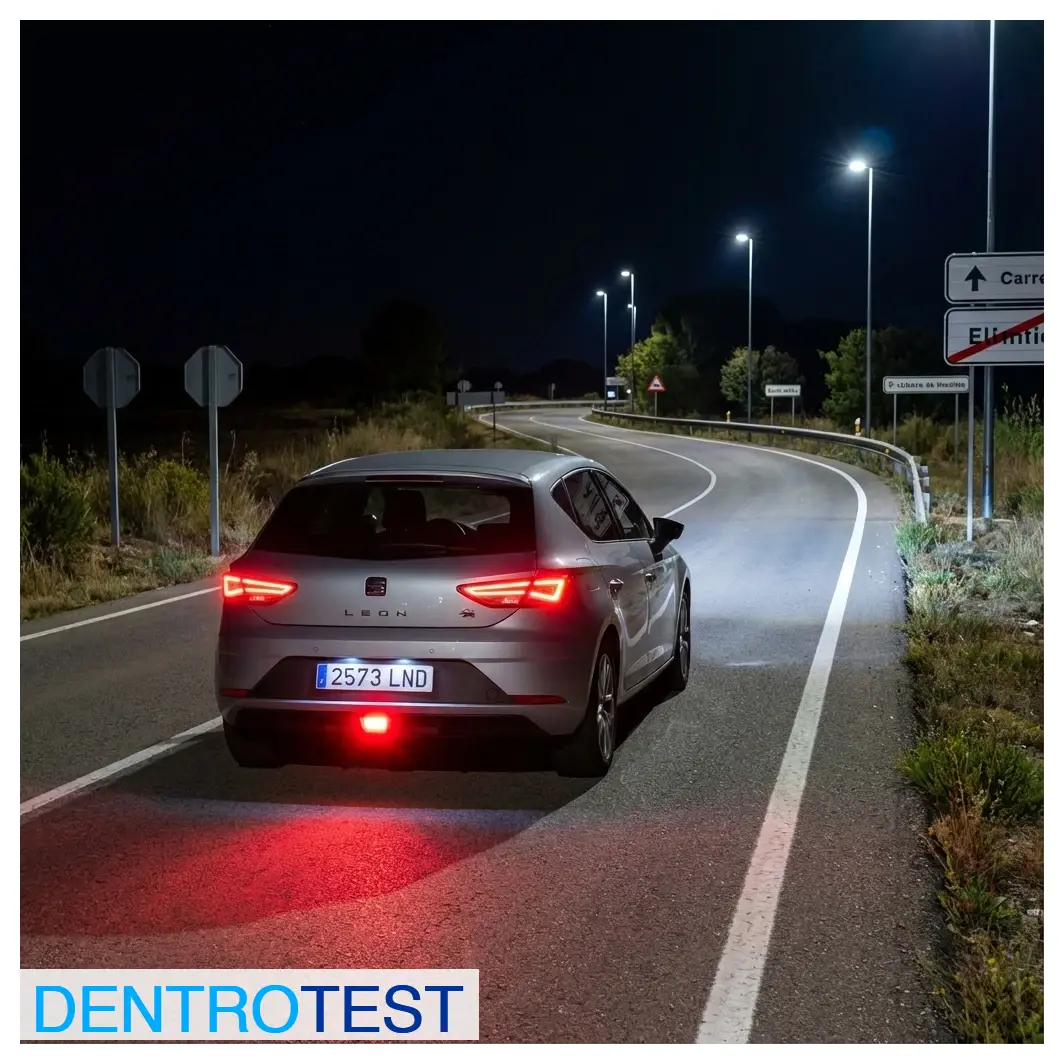
Lighting and Optical Signaling
7
When it is raining heavily, which fog light is permitted to be switched on in addition to the position and dipped beam lights?
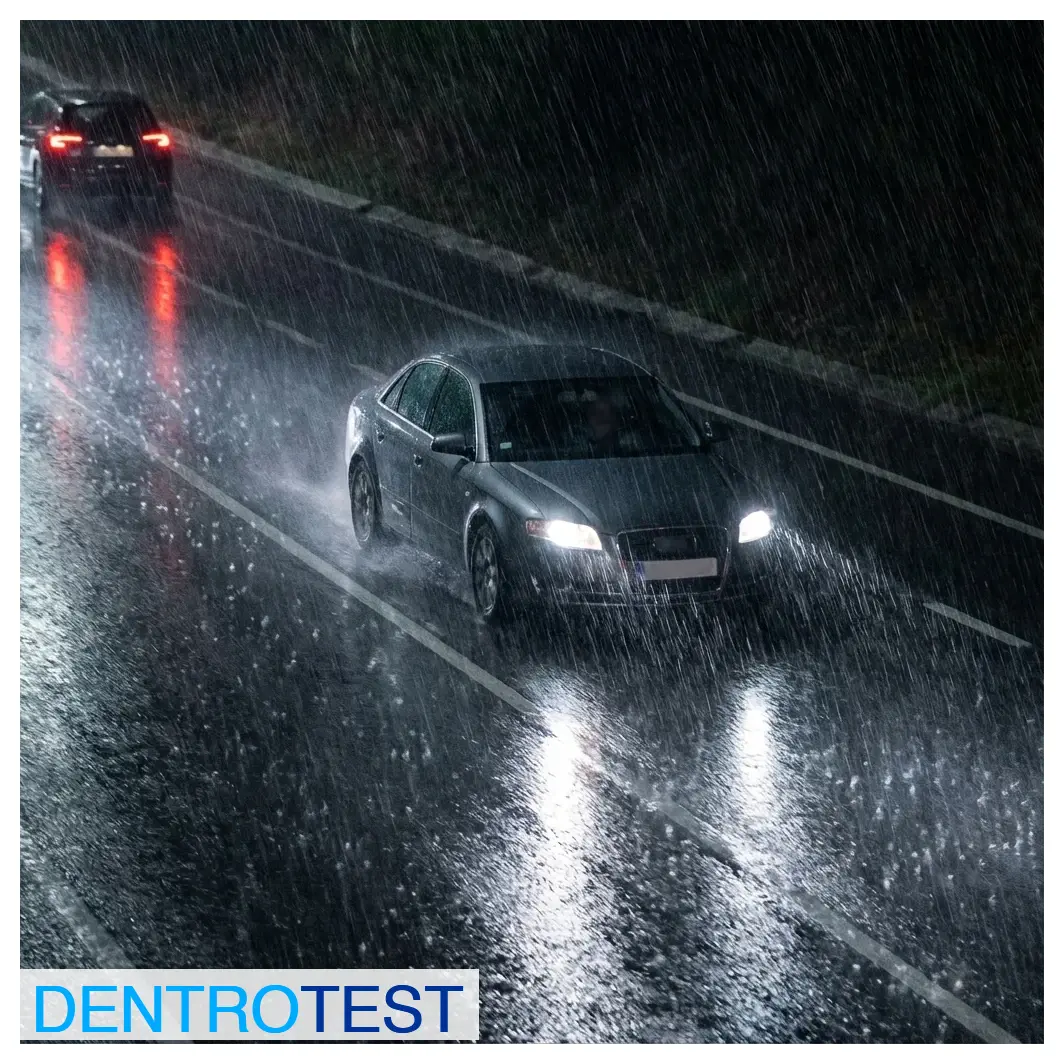
Lighting and Optical Signaling
8
If driving at night on an insufficiently lit interurban road at a speed greater than 40 km/h, which lighting must be switched on?
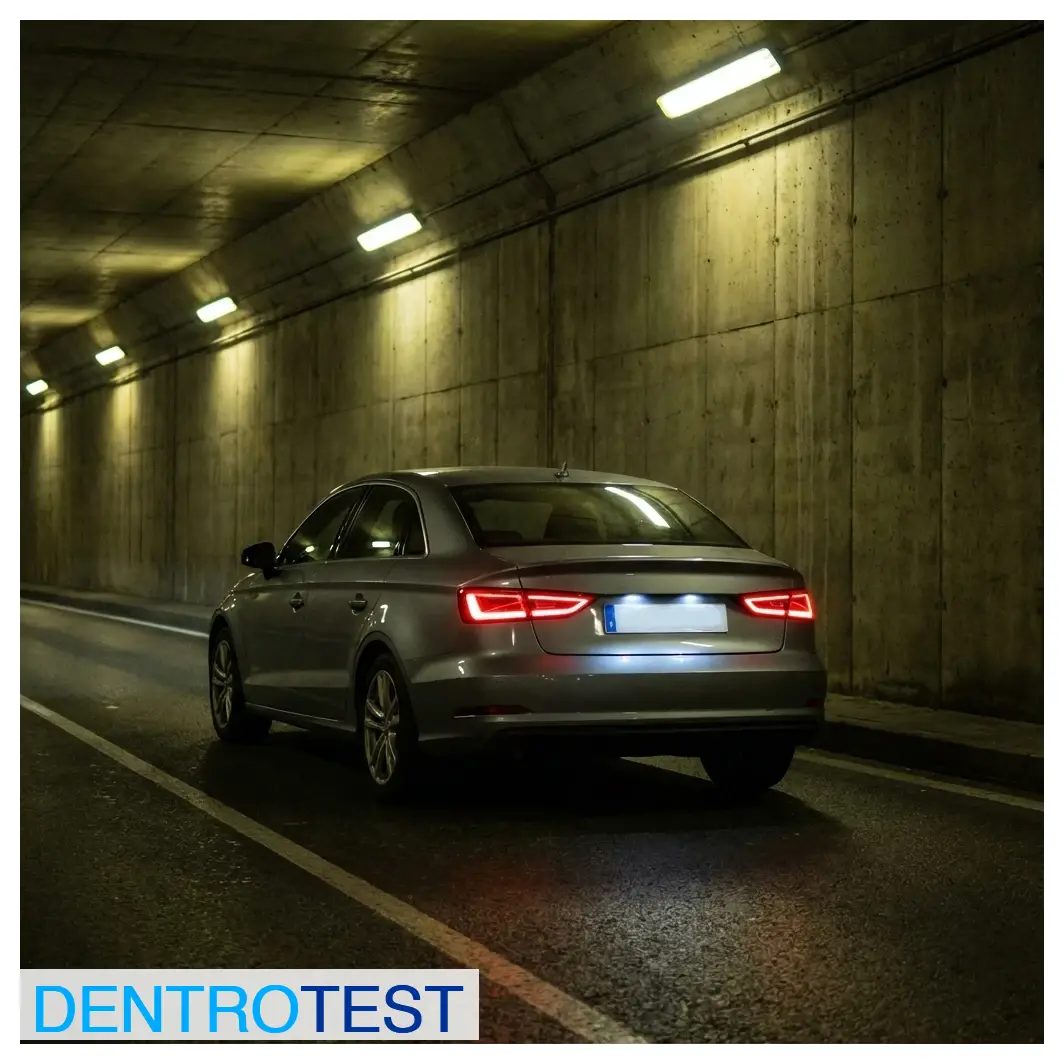
Lighting and Optical Signaling
9
Is the use of acoustic signals (horn) permitted on interurban roads?
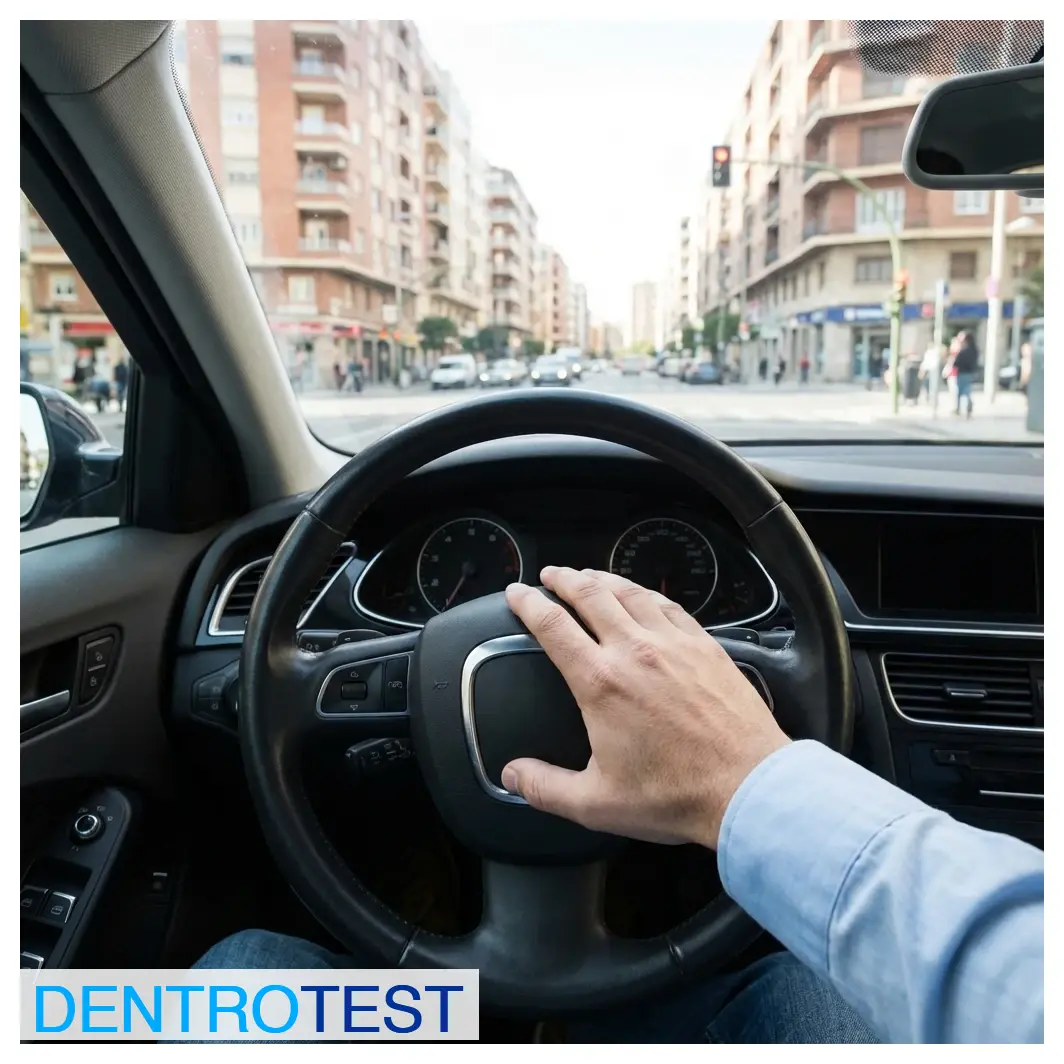
Lighting and Optical Signaling
10
On which type of roads is it strictly forbidden to use high beam (main beam) lights?